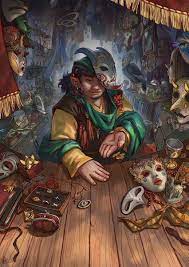
A Non-Player Character (NPC) is any character controlled by the DM rather than the players. NPCs populate the world and make it feel alive. They can give quests, provide information, sell items, or interact socially with the party.
From a gameplay perspective, NPCs serve multiple roles. They can be allies, rivals, or sources of conflict. The DM controls their actions, dialogue, and decisions, which allows the world to respond dynamically to the party. NPCs are also important for immersion—they help players understand the culture, politics, and everyday life of the world, making the adventure feel real.
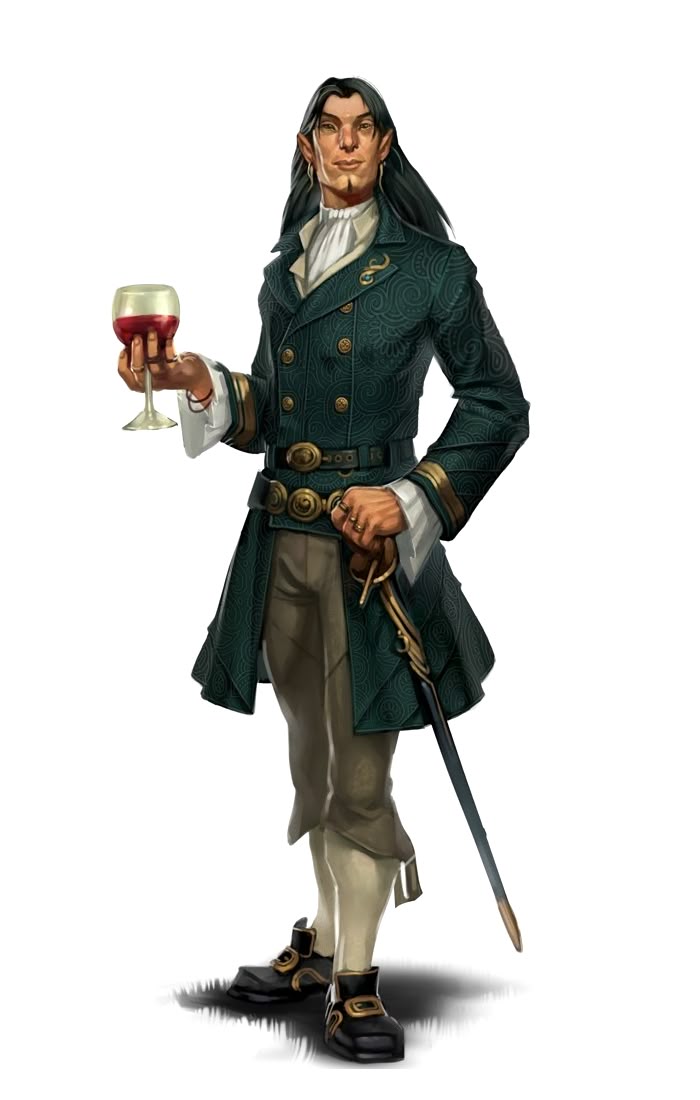
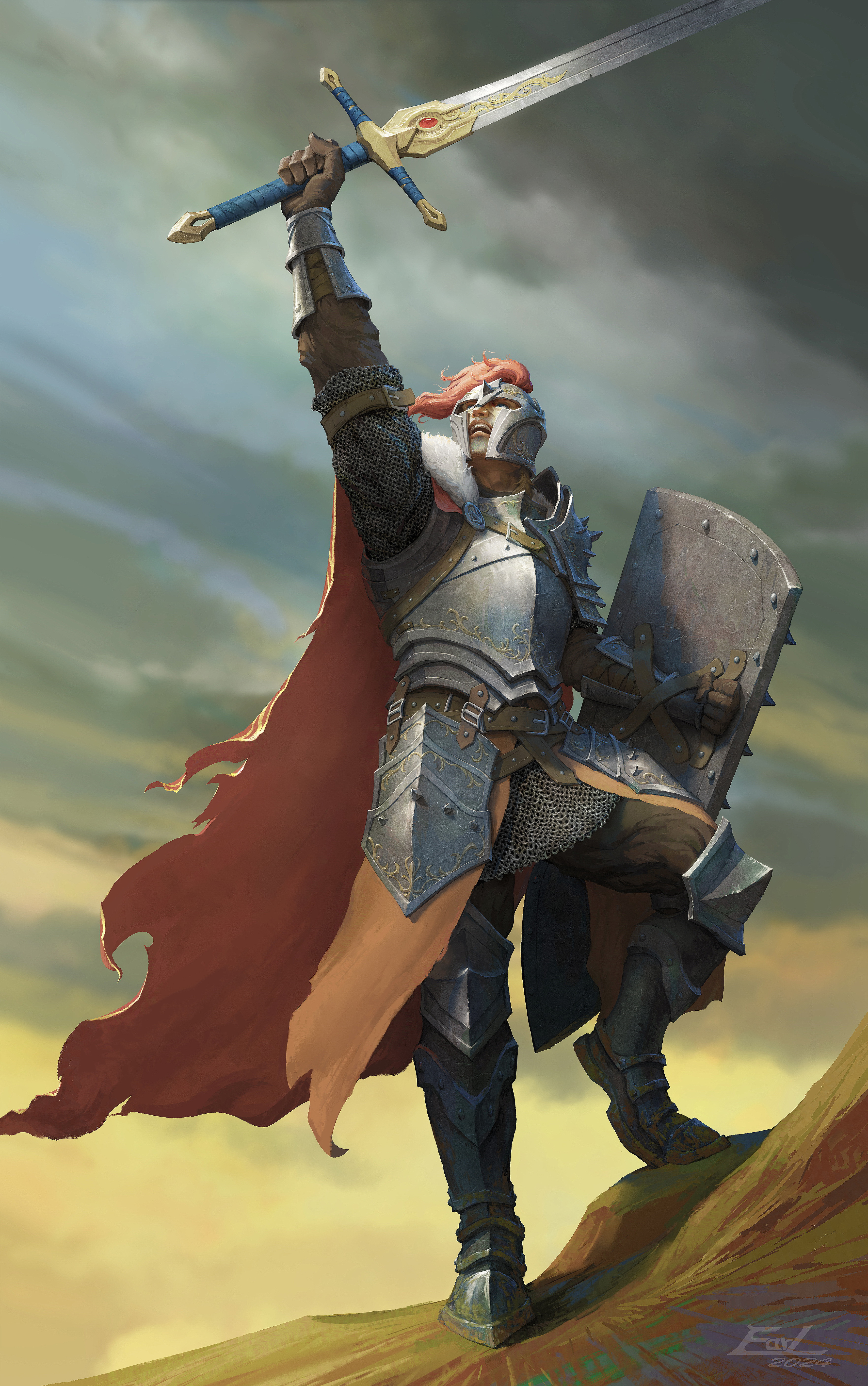
Common NPC types include:
Merchants: Sell goods or services. Players might buy equipment, bribe them for information, or negotiate deals. Usually found in towns or markets.
Tavern Keepers: Provide lodging and rumors. Players often meet other adventurers or pick up quests here.
Nobles: Influential figures with political power. Players might negotiate, spy, or ally with them.
Commanders: Military leaders controlling armies or guards. Encounters could involve strategy, cooperation, or conflict.
Cult Members/Leaders: Often antagonists or sources of intrigue. Players might infiltrate, negotiate, or stop their plans.
Kings/Queens: Rulers who may request assistance or reward services. Often part of larger story arcs.
Clerics/Church Members: Provide spiritual guidance, healing, or quests tied to divine plots.
Other Adventurers: Can be rivals, allies, or neutral observers. Players may compete or cooperate with them depending on circumstances.
Each type of NPC offers opportunities for roleplay and world-building. Players can negotiate, fight, ally, or deceive them depending on the encounter and their goals.